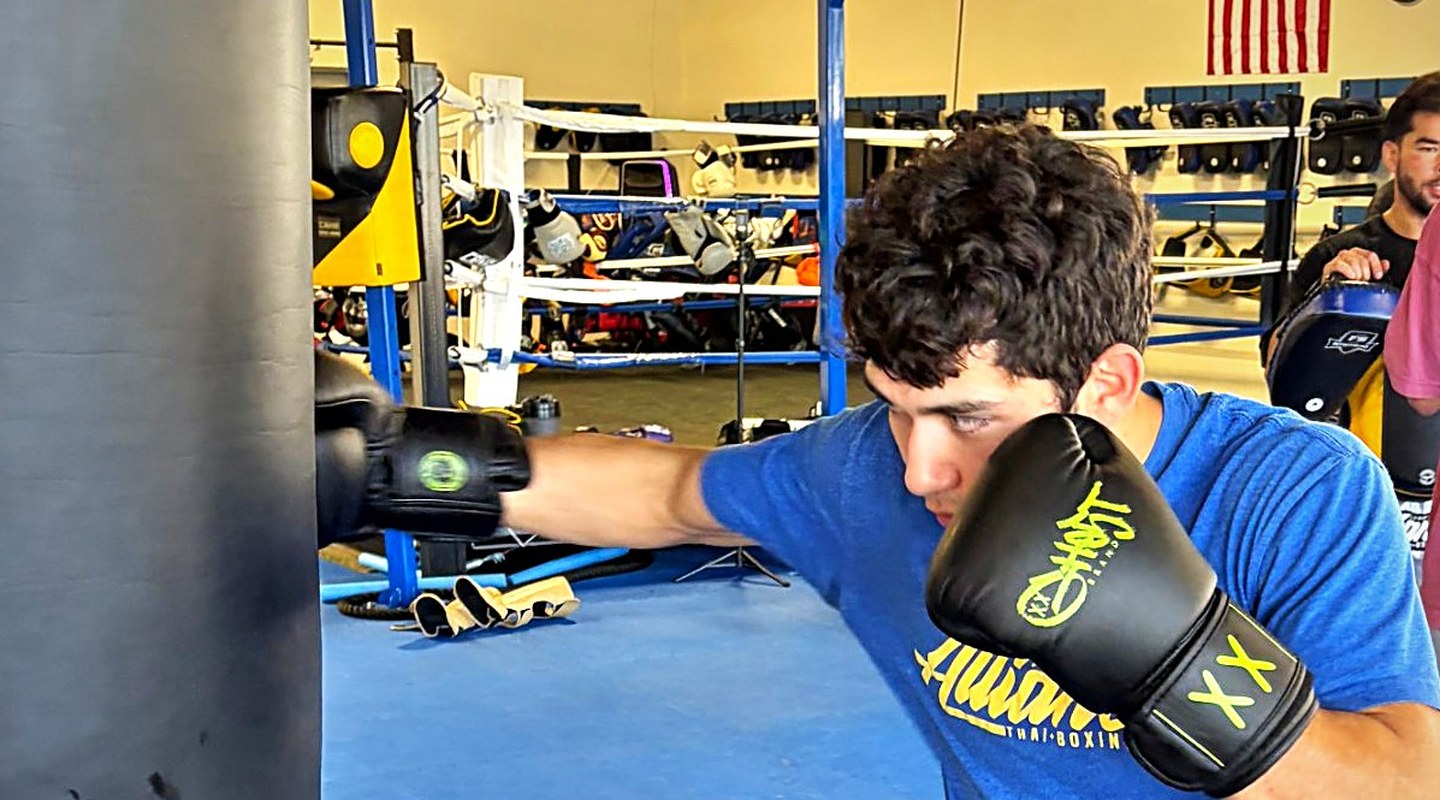
The Best Workout Plans for Beginners (and How to Actually Stick With One)
The best workout plan for a beginner is the one you'll still be doing in three months. Not the hardest one. Not the one your favorite influencer swears by. The one you actually show up for.
Search "beginner workout plan" and you'll get a thousand answers: 5x5 lifting, couch-to-5K, 30-day challenges, HIIT apps. Most of them work on paper. Most beginners still quit within a few weeks, because the plan was boring, too hard too soon, or had no one keeping them accountable.
As coaches at Alliance Thai Boxing Academy in Cedar Park, we've watched hundreds of people walk through our doors with zero training background. Here's what we've learned about which plans work, how to build your first week, and how to make fitness something you look forward to.
What Makes a Good Beginner Workout Plan?
A good beginner plan does five things. If the plan you're considering misses more than one, keep looking.
- It's simple. Three or four sessions a week, a handful of movements, no 90-minute marathons.
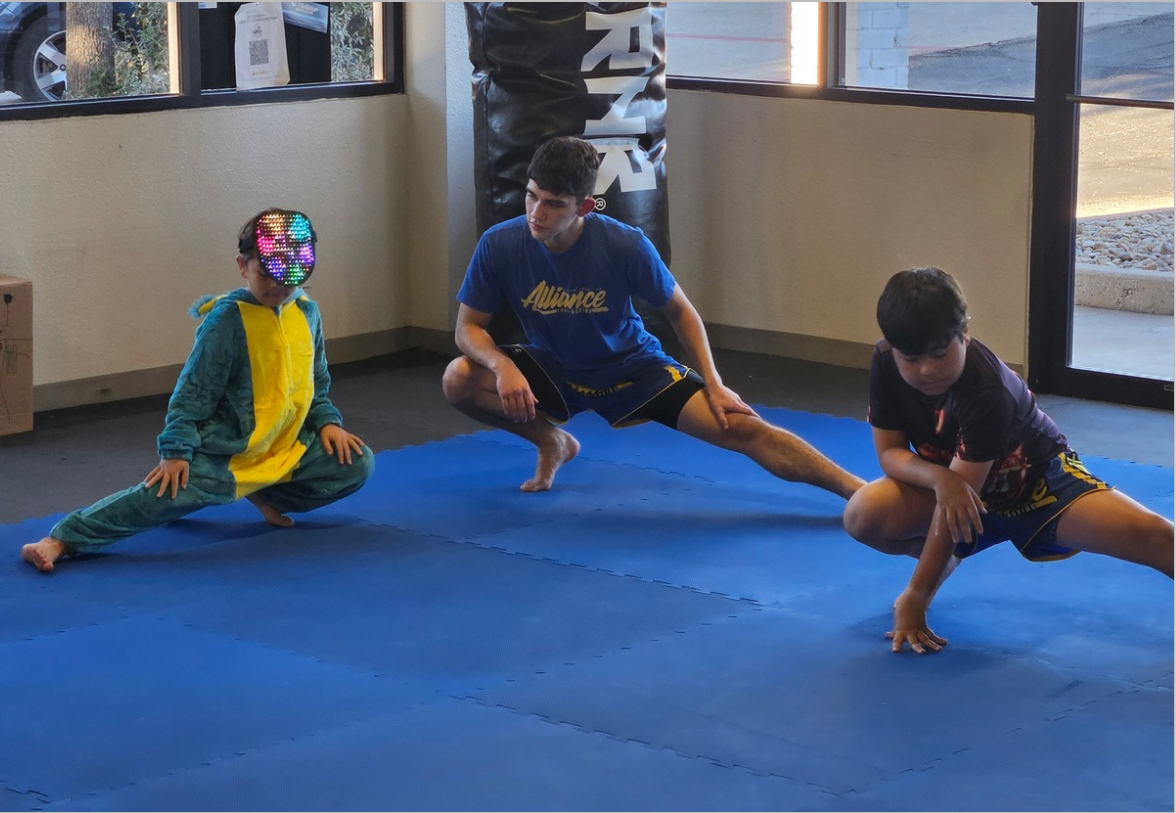
- It trains your whole body. Strength, cardio, and mobility all matter. Skipping one catches up with you.
- It progresses slowly. You should finish most early sessions feeling like you could have done a little more.
- It fits your actual schedule. A plan that needs six days a week fails the first busy week.
- It's something you enjoy. Enjoyment isn't a bonus. It's the biggest predictor of whether you keep going.
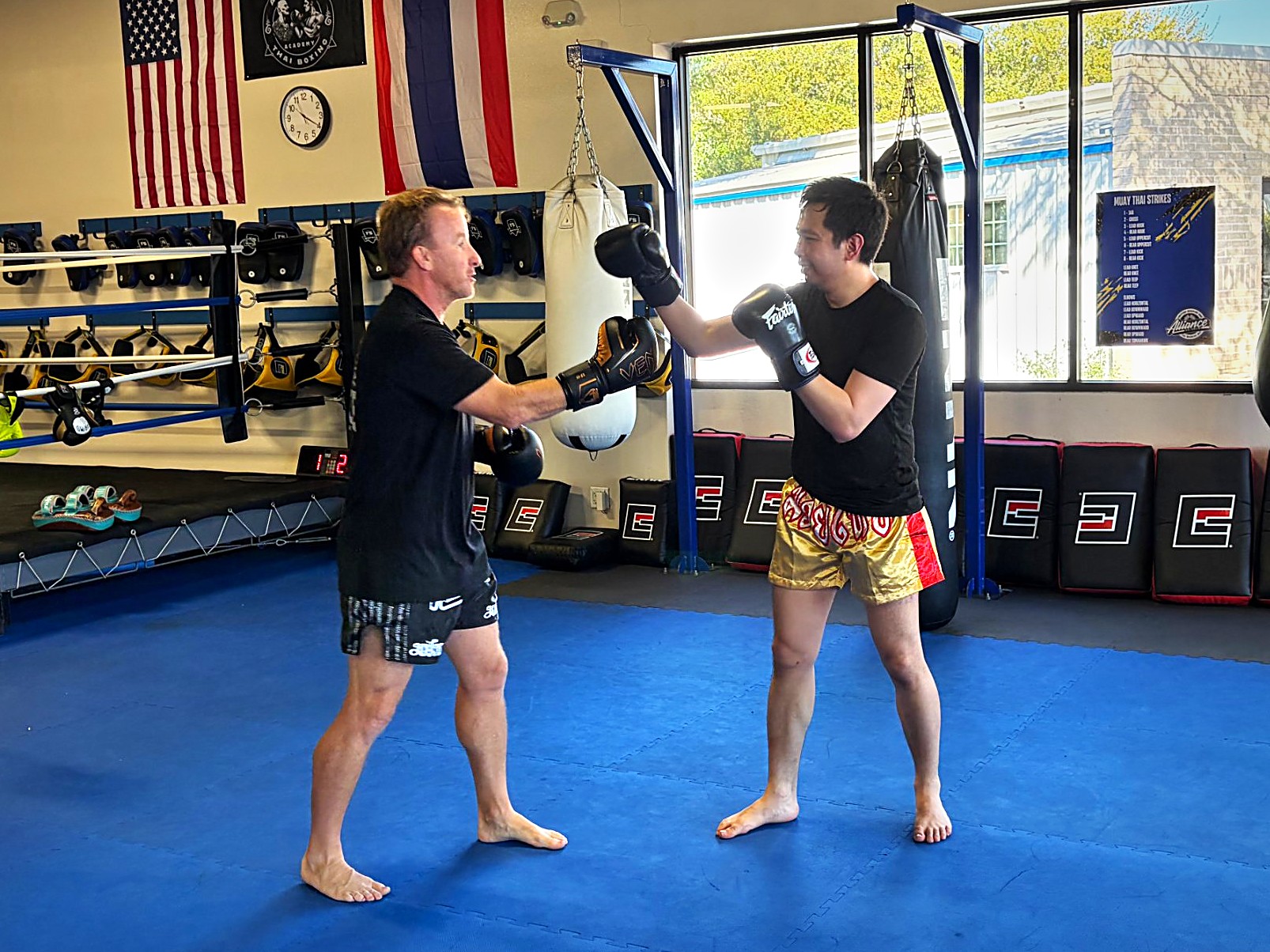
The 4 Best Workout Plans for Beginners
1. Coached Group Classes Like Muay Thai or Boxing
Best for: people who want structure, variety, and accountability.
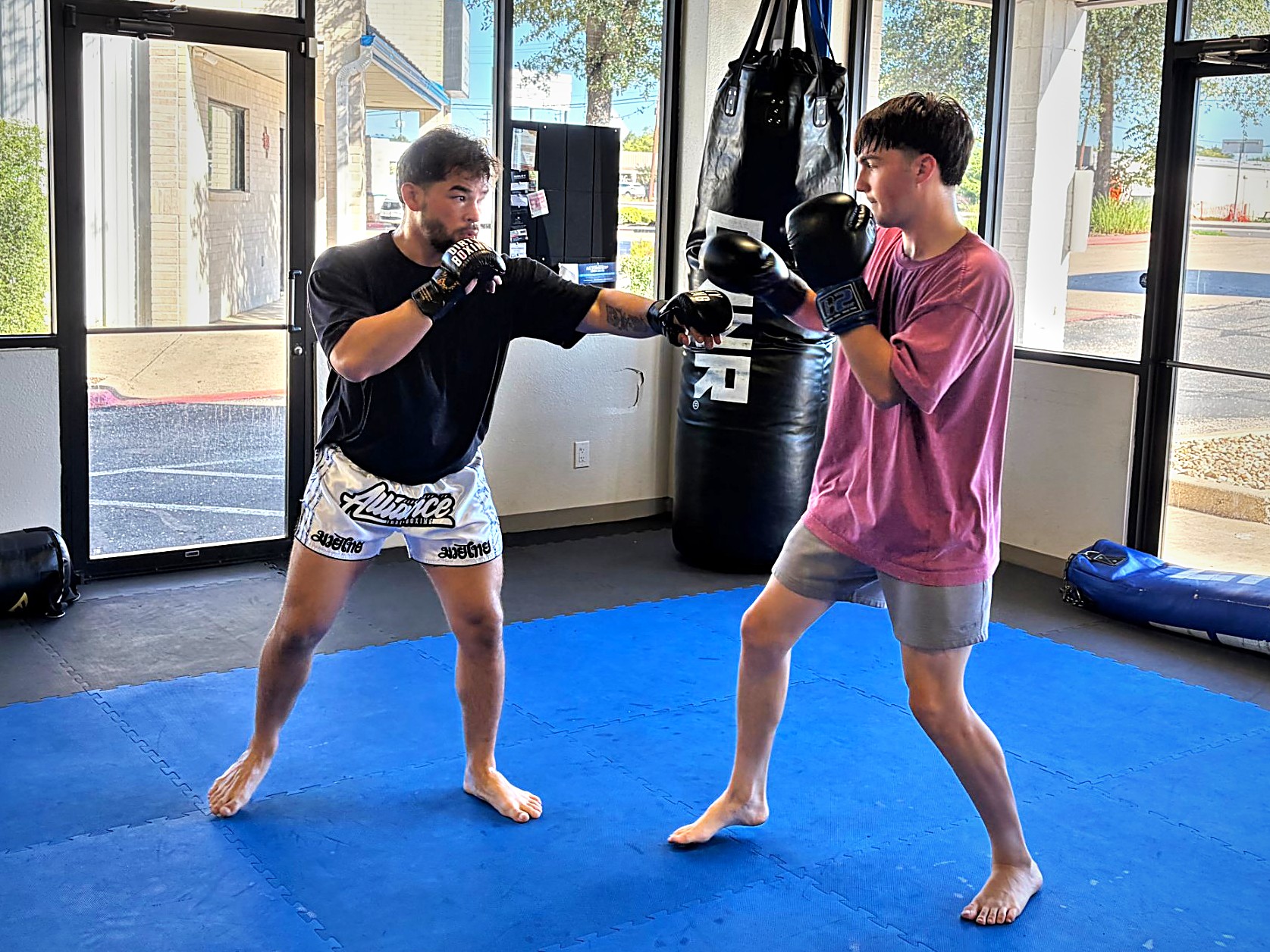
A good striking class covers every box on the list above in one session: a dynamic warm-up, bag work that spikes your heart rate, strength and core work, and stretching. A coach writes the plan, corrects your form, and scales it to your level. And because you're learning a skill, every class feels different. The key is picking a gym that runs true beginner-friendly classes.
2. Full-Body Strength Training
Best for: building muscle, bone health, and confidence in the weight room.
Three days a week of squats, pushes, pulls, hinges, and carries is a classic for a reason. You'll get stronger fast as a beginner. The catch: learning a deadlift from a YouTube video is risky, and many people feel lost in a big-box gym.
3. Walk-to-Run Cardio
Best for: heart health, endurance, and a low-cost start.
Start with brisk walks, then add short jogging intervals each week. It's great for your heart and costs nothing. It does little for upper-body strength, ramping up too fast can lead to sore shins and knees, and many beginners get bored running the same loop.
4. Bodyweight Workouts at Home
Best for: tight schedules and no gym access.
Push-ups, lunges, planks, and glute bridges can take you a long way early on. The hardest part isn't the exercises. It's getting off the couch with nobody waiting on you, and progress stalls once bodyweight gets easy.
A Simple Beginner Workout Week
You don't have to pick just one plan. Here's a balanced first week that mixes them, with about three hours of total training.
- Monday: Muay Thai or boxing class (60 min)
- Tuesday: Brisk walk or easy bike ride (30 min)
- Wednesday: Full-body strength: squats, push-ups, rows, glute bridges, planks, 2 to 3 rounds (30 to 40 min)
- Thursday: Rest or light stretching (10 to 15 min)
- Friday: Muay Thai or boxing class (60 min)
- Saturday: Walk, hike, or bike with family or friends (30 to 60 min)
- Sunday: Rest
After two to three weeks, add a third class or another strength day. Small steps, every week. For more on pacing, see how often beginners should train Muay Thai.

5 Mistakes That Derail Beginners
- Doing too much, too soon. Going all-out on day one leads to soreness, injury, and quitting by week two.
- Chasing the scale only. Track how you feel, how you sleep, and what you can do. Those wins show up first.
- Program hopping. Switching plans every week means you never give one a chance to work. Commit for at least 6 to 8 weeks.
- Training alone with no feedback. Bad form builds bad habits. A coach saves you months of trial and error.
- Waiting to "get in shape first." You don't get in shape before you start. Starting is how you get in shape.
Why Striking Classes Are a Great First Workout Plan
Most people walk into their first Muay Thai or boxing class expecting to get beat up. What they find is one of the most beginner-friendly workouts out there.
- It's full-body. Kicks work your legs and hips, punches work your shoulders and back, and every strike drives through your core.
- The time flies. Learning combinations keeps your brain busy, so you're not counting down the minutes on a treadmill.
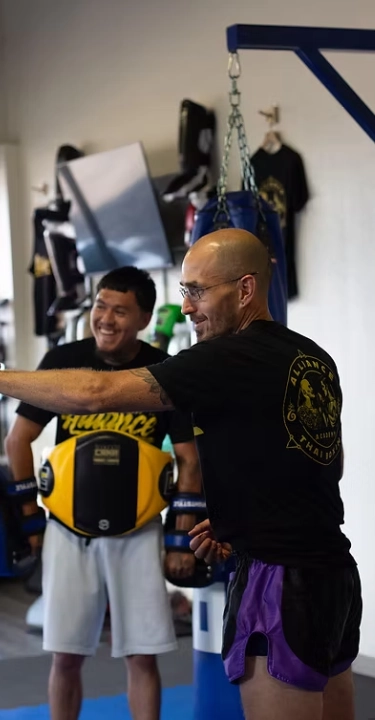
- You're coached the whole way. No guessing what to do next or whether your form is right.
- You learn a real skill. You'll leave stronger, fitter, and more confident in your ability to protect yourself.
- No sparring required. Beginner classes are bag, pad, and partner drill work. Sparring is always optional.
Curious how it compares for fat loss? Read Muay Thai and weight loss.
Frequently Asked Questions
How many days a week should a beginner work out?
Three to four days is a great start. That's enough to see progress while giving your body time to recover.
How long until I see results?
Most beginners notice more energy and better sleep within 2 to 3 weeks. Visible changes in strength and body composition usually take 6 to 12 weeks of consistent training.
Is Muay Thai or kickboxing good for beginners?
Yes. A good class scales to your level, teaches technique from the ground up, and combines cardio and strength in one session.
Do I need to be fit before I start a Muay Thai class?
No. Your first classes are what build your fitness. Coaches adjust the pace and intensity for every level. Read do you need to be fit to start Muay Thai.
What should I bring to my first class?
Comfortable workout clothes, water, and a towel. See what to expect in your first Muay Thai class for the full rundown.
Start Your Workout Plan in Cedar Park
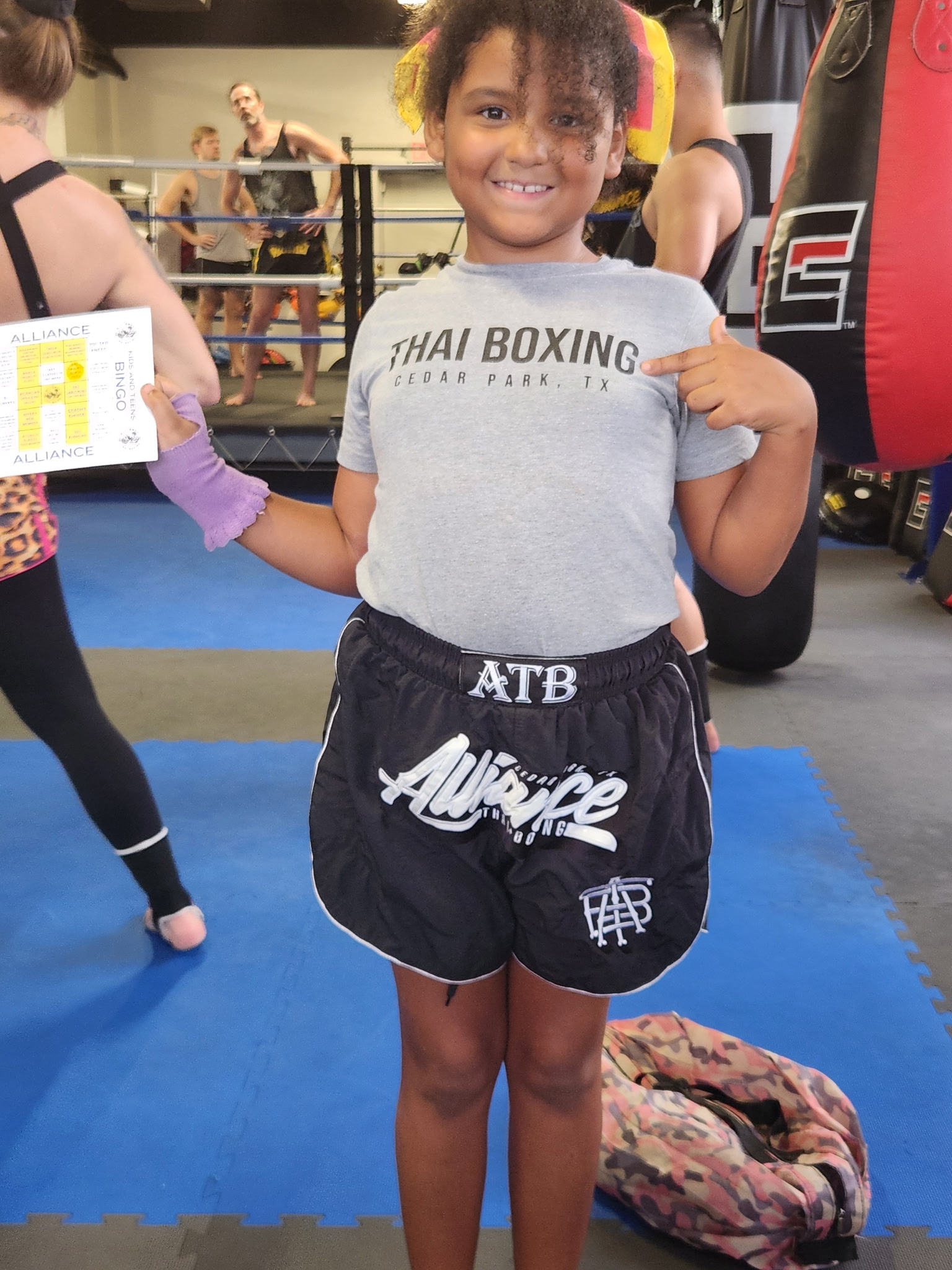
At Alliance Thai Boxing Academy, beginners train alongside people who once stood exactly where you are. Our coaches scale every class to your fitness level, so you never have to be in shape to start. Training in Cedar Park, Leander, Round Rock, or Northwest Austin? Try your free class, or learn more about our Adult Muay Thai program.