Muay Thai vs Karate for Kids: Which Is Better for Your Child?
Muay Thai and karate can both build a confident, disciplined, respectful kid. The biggest difference is how they train. Karate focuses on forms, belts, and structured technique. Muay Thai focuses on live partner drills against resistance, with progress earned by showing real skill. If your main goal is discipline and tradition, either can work. If your goal is for your child to genuinely be able to handle themselves, Muay Thai has the edge.
Choosing a martial art for your child is a big decision, and most parents don't have a background in either one. As coaches at Alliance Thai Boxing Academy in Cedar Park, we get this question from parents every week. Here's an honest, side-by-side look to help you decide what's right for your family.
What Is Karate?
Karate is a striking martial art that developed in Okinawa, Japan. It's one of the most popular martial arts for kids in the United States, and many families know it from the classic strip-mall dojo with a wall of colored belts.
Most kids karate programs are built on three pillars:
- Kihon (basics): stances, blocks, punches, and kicks practiced in lines.
- Kata (forms): memorized sequences of movements performed solo.
- Kumite (sparring): often point-based, where action stops after a clean touch.
Styles vary a lot. Shotokan and other traditional styles lean heavily on forms, while full-contact styles like Kyokushin are much more physical. The school matters as much as the style.
What Is Muay Thai?
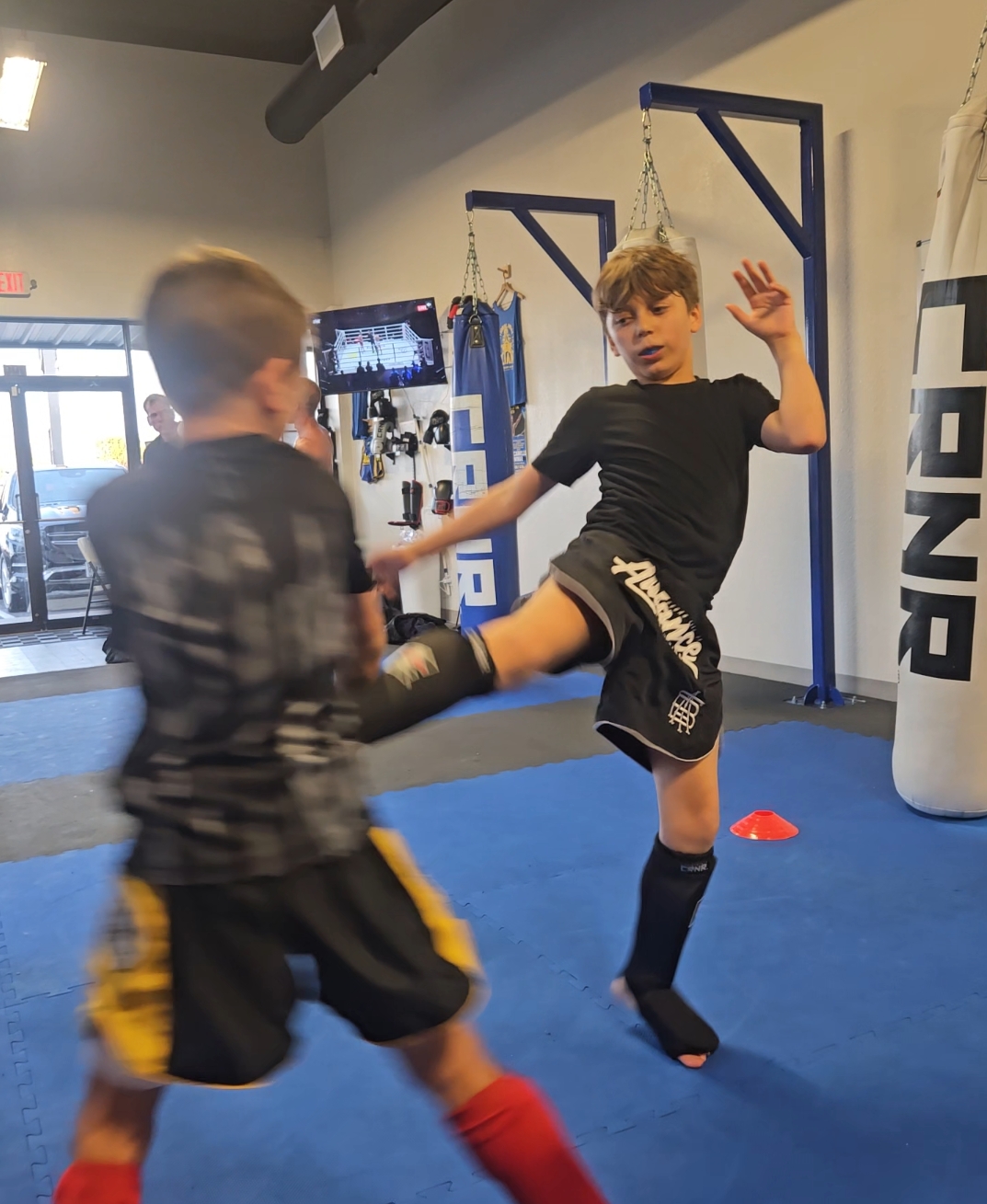
Muay Thai is the national sport of Thailand, known as "the art of eight limbs" because it uses punches, kicks, knees, and elbows, plus the clinch (controlling someone at close range). Kids classes teach the same foundation adults learn, scaled to their age: stance, footwork, defense, and fundamental strikes.
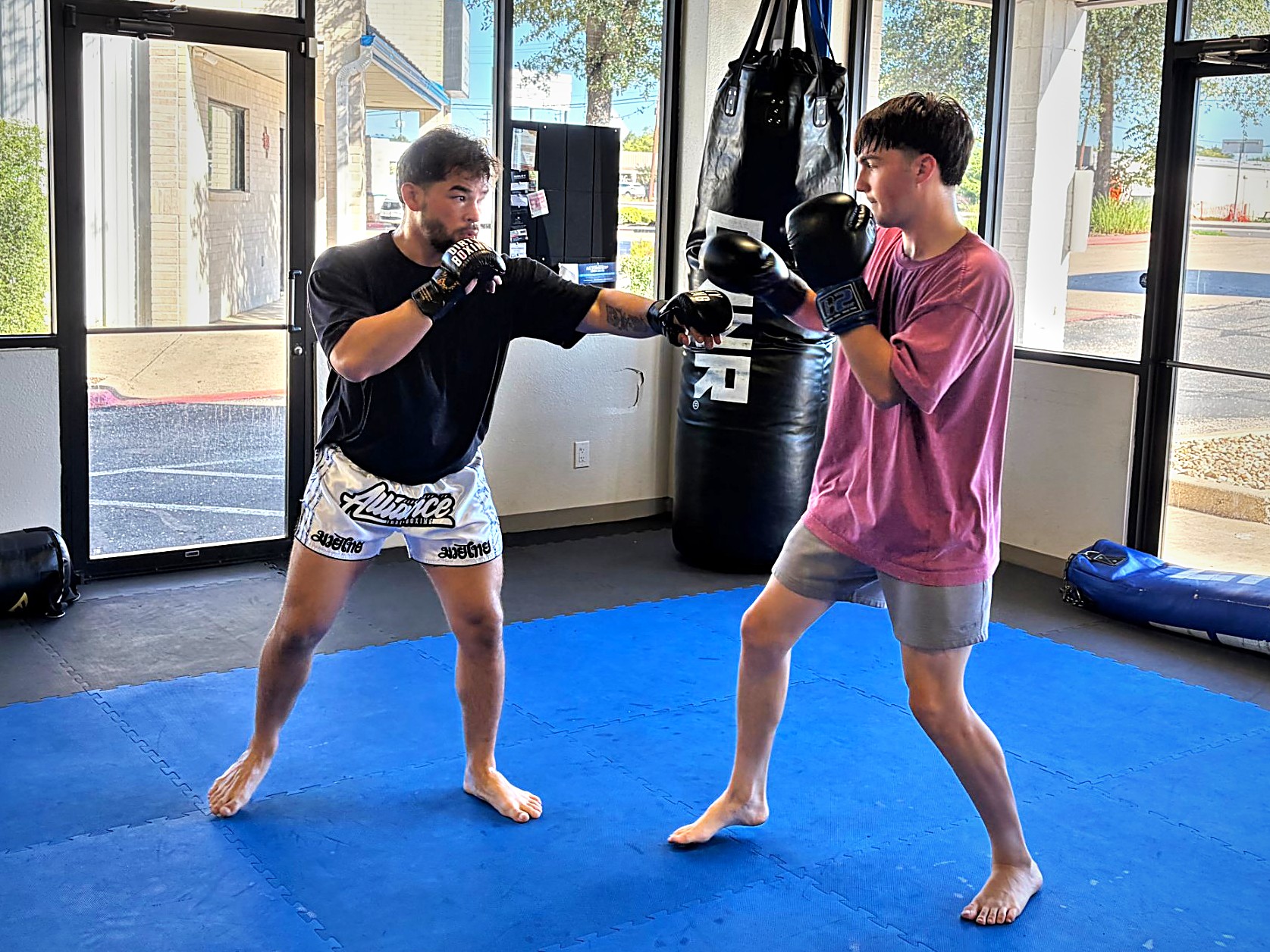
Muay Thai is trained almost entirely with partners, pads, and bags. Kids learn to strike, defend, and move while someone is actually moving with them. Traditionally, there's no belt system. A student moves forward by showing the skill. Learn more in what is Thai kickboxing.
Muay Thai vs Karate for Kids at a Glance
- Origin: Karate comes from Okinawa, Japan. Muay Thai comes from Thailand.
- Strikes: Karate uses punches, kicks, and blocks. Muay Thai uses punches, kicks, knees, elbows, and the clinch.
- How kids practice: Karate relies heavily on forms and line drills. Muay Thai relies on partner drills, pad work, and bag rounds.
- Training against resistance: Varies by karate school. Built into every Muay Thai class.
- Progression: Karate uses colored belts and testing. Muay Thai traditionally uses no belts; progress is shown through skill.
- Sparring: Karate often uses point sparring that stops after each touch. In kids Muay Thai, sparring is optional, light, and only for kids who have earned it.
- Workout: Karate is moderate and varies by school. Muay Thai is high-energy, with lots of conditioning.
- Self-defense: Karate builds useful foundations. Muay Thai builds pressure-tested ability standing up and at close range.
Discipline and Respect
This is where both arts shine. Karate is known for its structure: bowing, lining up, and following a clear set of rules. Many karate schools do an excellent job teaching young kids to focus and listen.
Muay Thai builds discipline a different way. Respect isn't just recited; it's how training works. When your child holds pads for a partner, they learn to control their power, listen to feedback, and look out for someone else's safety. Kids quickly learn that the strongest person in the room is the one with the most control.
Belts vs. Earned Skill
Belts give kids clear goals, and many children love the milestones. That's a real benefit, especially for younger kids who need visible progress to stay motivated.
The question to ask any school is how a belt is earned. In some karate schools, promotion is based on time and attendance. In Muay Thai, there's no certificate to chase. Kids build confidence from things they can actually do: landing a clean combination, checking a kick, staying calm when a partner pressures them. That confidence is earned, so it sticks.
Which Is Better for Self-Defense?
Here's the distinction we teach every parent: knowing self-defense moves is not the same as knowing how to fight.
Many self-defense techniques are practiced step by step with a cooperative partner. Real situations don't follow a script. Under stress, a child's heart rate spikes and memorized steps fall apart. What holds up is the ability to stay calm, manage distance, keep balance, and defend instinctively while someone is moving toward them. Those skills only come from training against resistance, which is the core of Muay Thai.
Karate can build those skills too, especially in schools with regular, controlled contact. But in schools that focus mostly on forms and point sparring, kids get less practice handling real pressure. For more, read is Muay Thai good for self-defense.
And just as important: kids who genuinely know they can handle themselves are less likely to be targeted and less likely to feel they need to prove anything. We always teach that walking away, using your voice, and finding a trusted adult come first.
Which Is Safer for Kids?
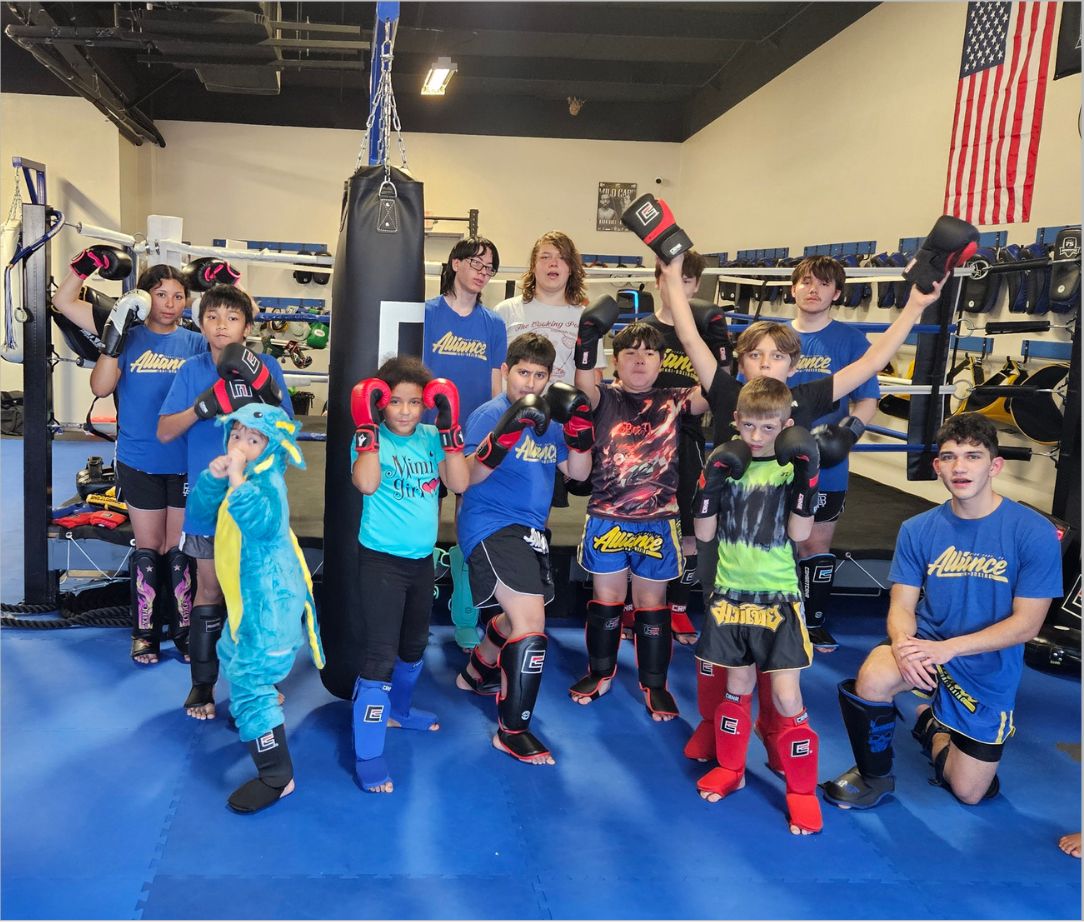
Both are safe when taught well. The things that keep kids safe are the same in any martial art: age-appropriate groups, coaches who control contact, and sparring that is supervised and never forced.
In our Kids & Teens Muay Thai program, no child is required to spar. When it's introduced at all, it's light, optional, and only for students who have shown the technique, control, and maturity to handle it. Read is Muay Thai dangerous for how we manage safety at every age.
Which Is a Better Workout?
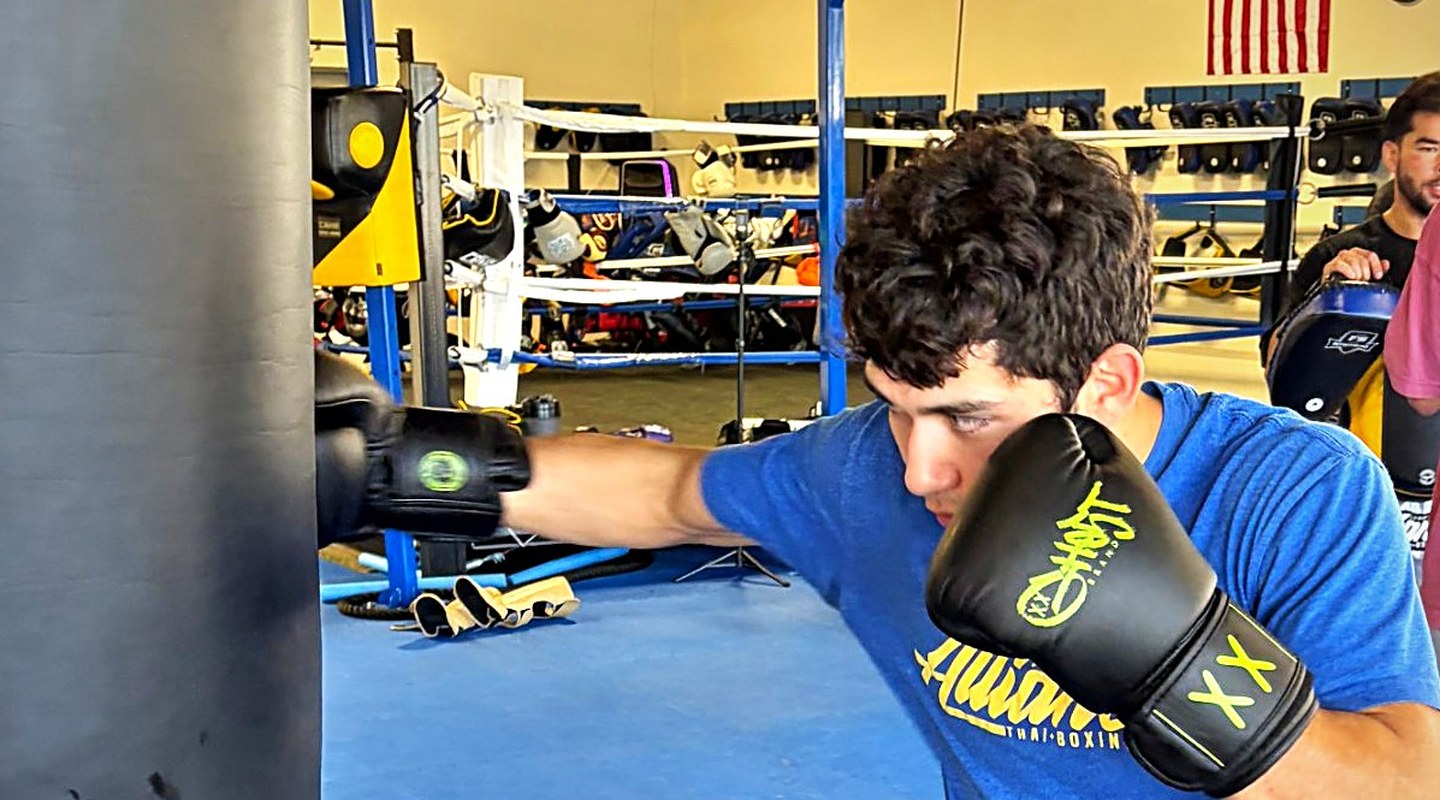
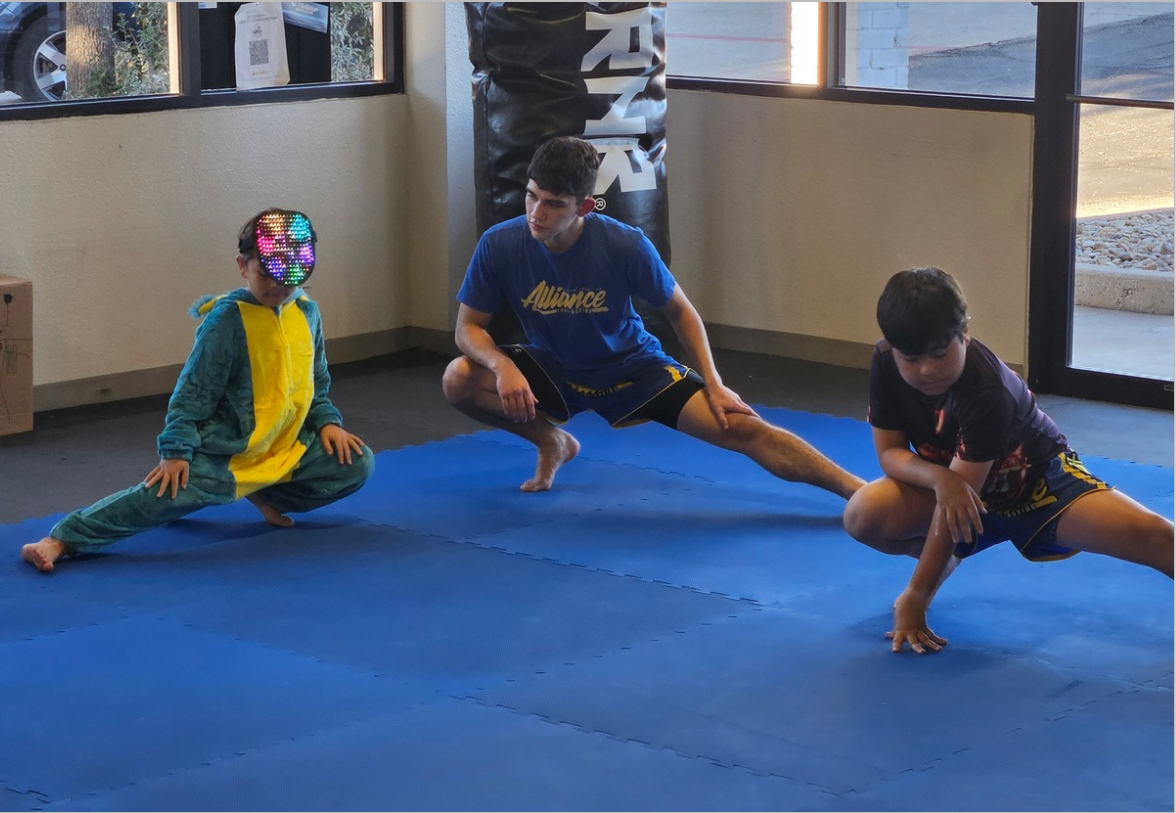
Muay Thai is one of the most demanding workouts in martial arts. Pad rounds, footwork games, and partner drills keep kids moving the whole class, building cardio, coordination, and strength without feeling like "exercise." Karate workouts vary widely by school; forms-focused classes are generally less intense. For high-energy kids who need an outlet, Muay Thai is hard to beat.
Which Should You Choose?
Karate may be a great fit if your child:
- Is very young and benefits from highly structured, belt-based goals
- Enjoys solo practice and memorizing forms
- Has a great local karate school with coaches you trust
Muay Thai may be a better fit if your child:
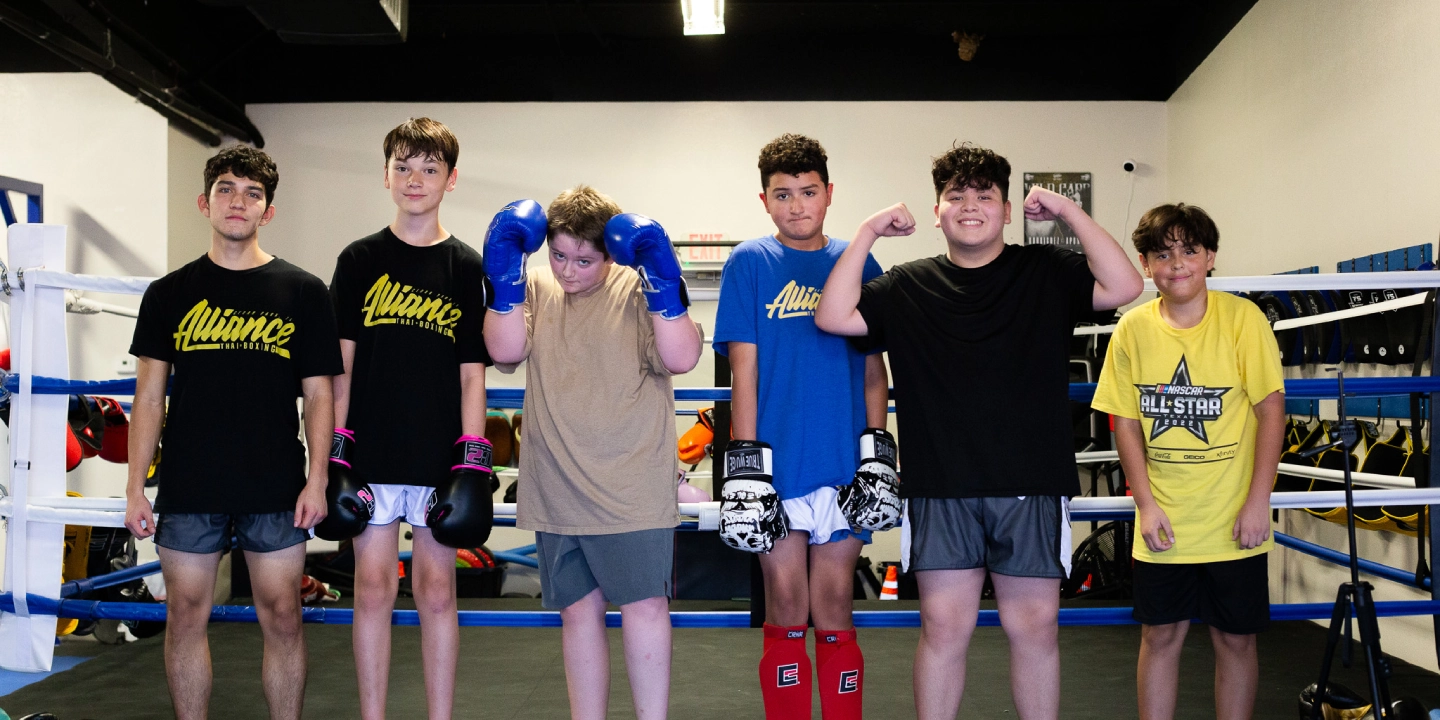
- Is 8 or older and ready to train with partners
- Has lots of energy and gets bored with repetition
- Needs real confidence, especially if they're shy or being picked on
- Wants to learn skills that work under real pressure
- Hasn't connected with team sports
How to Evaluate Any Kids Martial Arts School
- Watch a class. Are kids working with moving partners, or mostly practicing in the air?
- Ask how kids advance. Is it based on time and attendance, or on demonstrated skill?
- Ask about contact and sparring. It should be controlled, supervised, and optional.
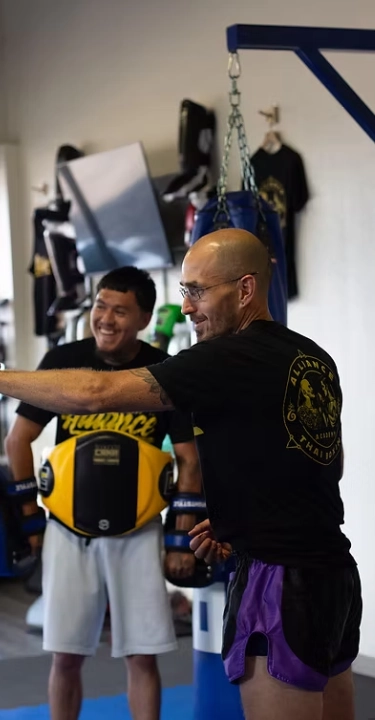
- Watch the coaches. Do they correct technique, encourage effort, and keep kids safe?
- Try before you commit. A good school lets your child try classes free.
Frequently Asked Questions
Is Muay Thai better than karate for kids?
Both build discipline and confidence. Muay Thai trains against resisting partners and measures progress by real skill instead of belts, so it's the stronger choice if you want your child to genuinely be able to handle themselves.
Is Muay Thai too violent for kids?
No. Kids classes use age-appropriate drills, pads, and controlled partner work. Coaches control contact at all times, and sparring is never required.
Will Muay Thai make my child more aggressive?
In our experience, it does the opposite. Kids who know they can handle themselves don't feel the need to prove it, and partner training teaches control and respect.
What age can kids start Muay Thai?
Our Kids & Teens program is for ages 8 to 13, and teens 14 and up train in our adult classes. See what age kids can start Muay Thai.
Can my child switch from karate to Muay Thai?
Yes. Karate experience gives kids a head start on balance, focus, and basic striking. They'll start in our beginner fundamentals and adjust to partner-based training quickly.
Does my child need experience to start Muay Thai?
No. Most kids start with zero martial arts background.
Try Muay Thai for Your Child in Cedar Park
The best way to see the difference is to watch your child train. Kids ages 8 to 13 can try 3 days of classes free at Alliance Thai Boxing Academy. Serving families in Cedar Park, Leander, Round Rock, and Northwest Austin. Learn more about our Kids & Teens Muay Thai program.