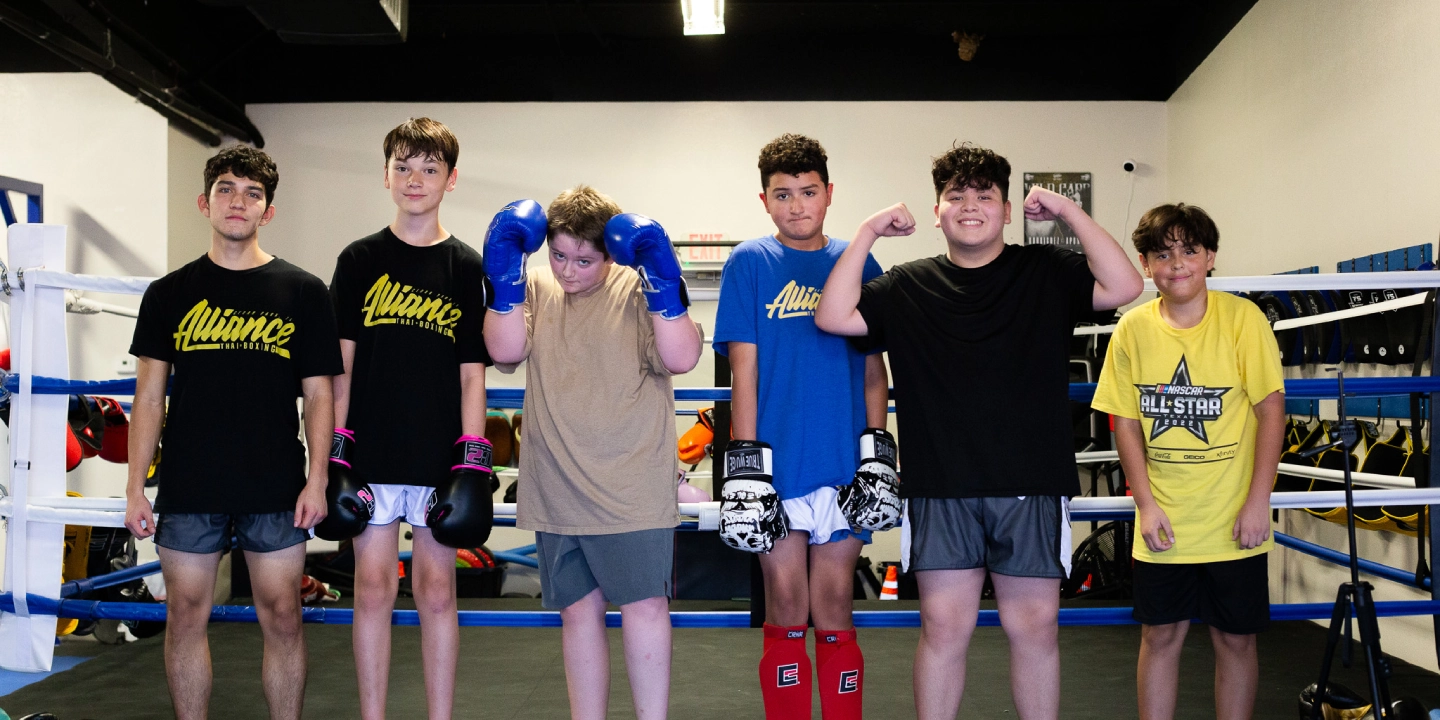
Muay Thai vs. Karate vs. Taekwondo vs. BJJ for Kids: A Parent's Guide
Choosing a martial art for your child can feel overwhelming. Cedar Park and the surrounding area have schools for karate, taekwondo, Brazilian jiu-jitsu, and Muay Thai, and every one of them promises confidence and discipline. Here's an honest, side-by-side look to help you decide what fits your family.
The Question to Ask First
Before comparing styles, ask: what do I want my child to be able to do after a year? If the answer is "genuinely handle themselves under pressure," look for a martial art that trains against resisting partners and measures progress by real ability. That single factor matters more than the name on the sign.
Karate
Strengths: strong traditions, discipline, respect, and structure. Many schools do an excellent job building focus in young kids.
Consider: training often emphasizes forms (kata) and point-based sparring that stops after each touch. Belt progression can move quickly in some schools, so check how skills are tested.
Taekwondo
Strengths: athletic, flexible, and fun, with impressive kicking. Great for coordination and energy.
Consider: sport taekwondo focuses on scoring with kicks under specific rules, so hands, close range, and clinch work get less attention. Like karate, belts can advance on a schedule.
Brazilian Jiu-Jitsu (BJJ)
Strengths: excellent, highly respected grappling art. Kids train live against resisting partners, which builds real problem-solving and composure.
Consider: BJJ focuses on the ground and doesn't teach striking or how to handle distance while standing. Many families see BJJ and Muay Thai as a great pair.
Muay Thai
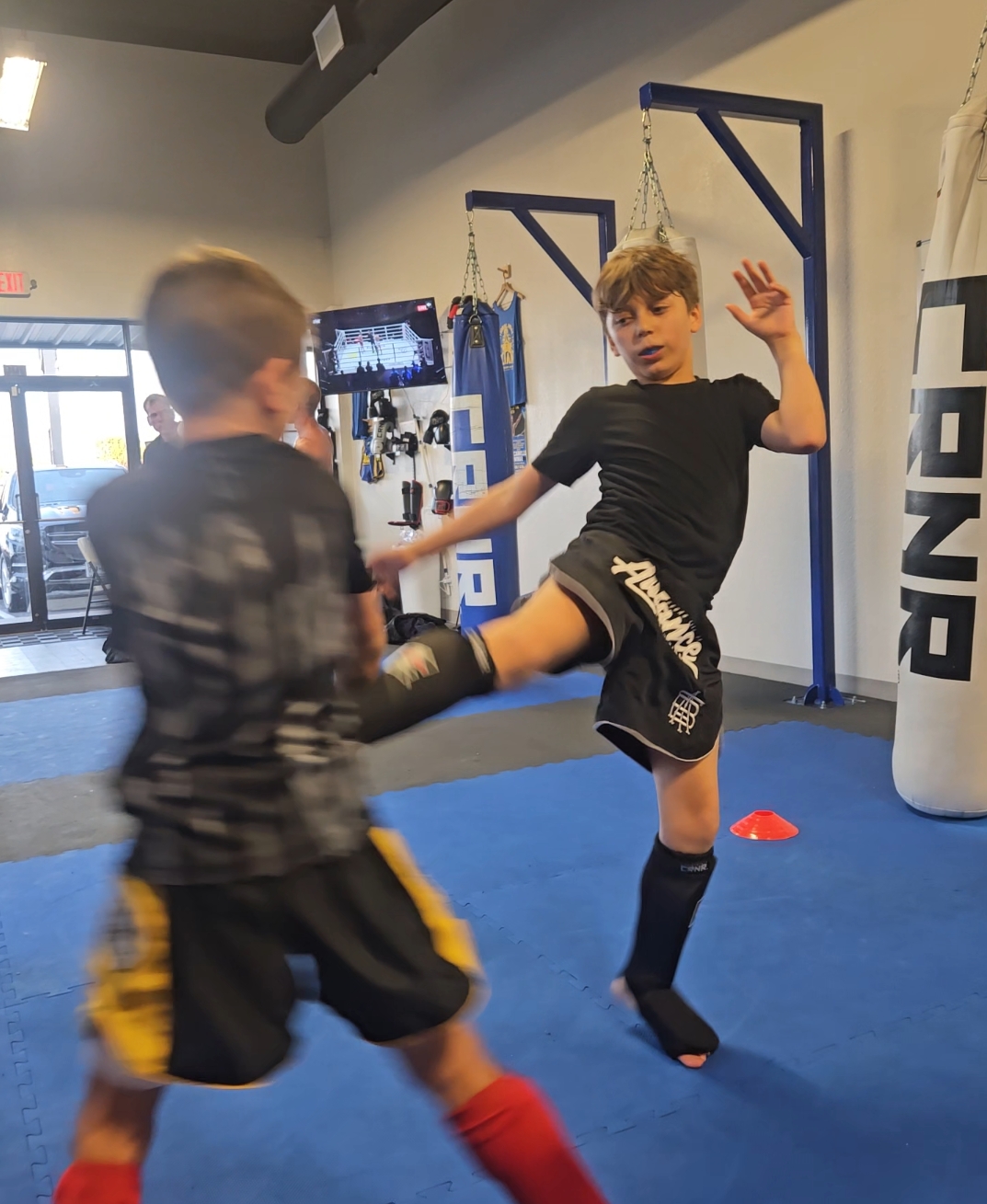
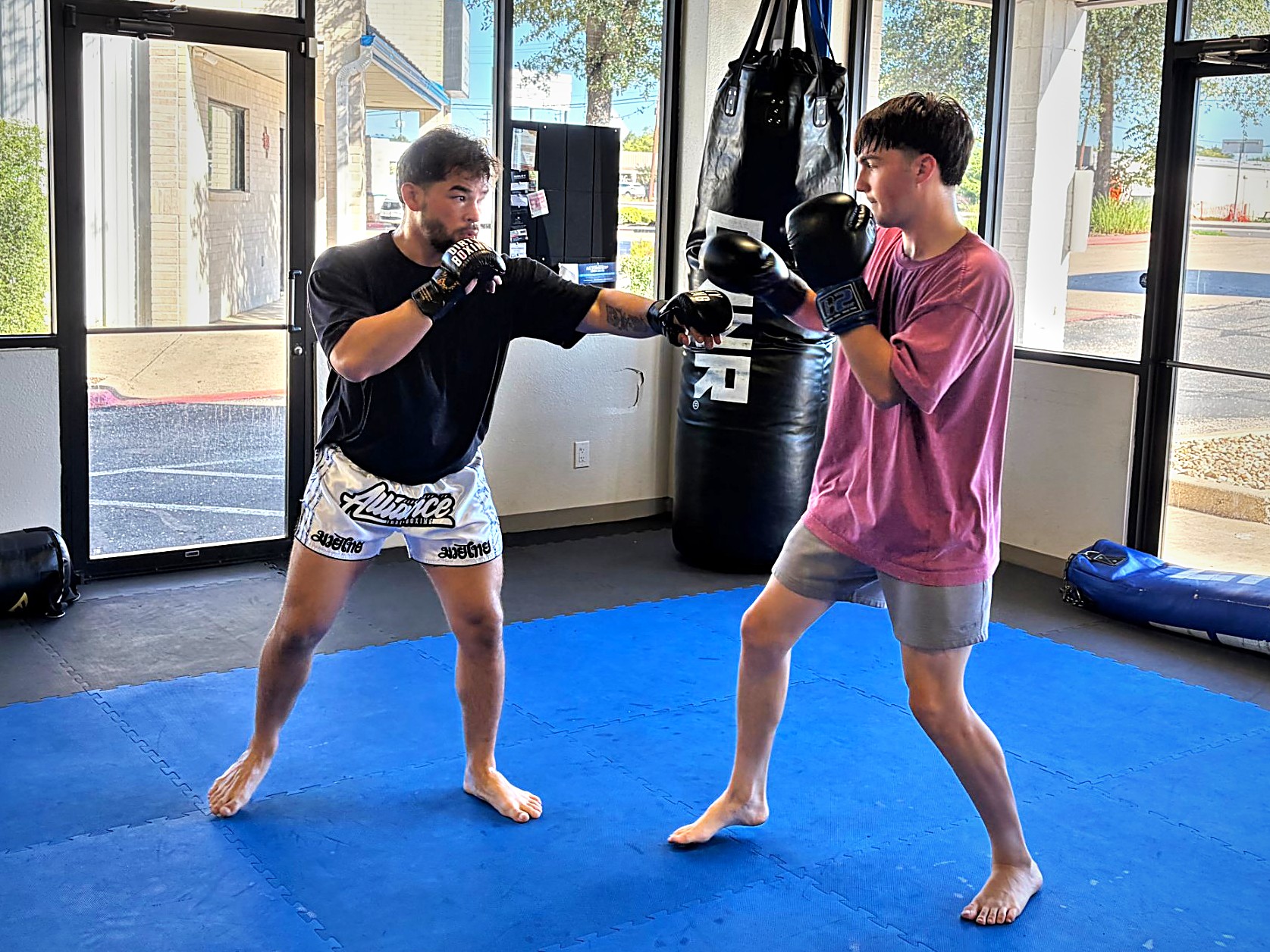
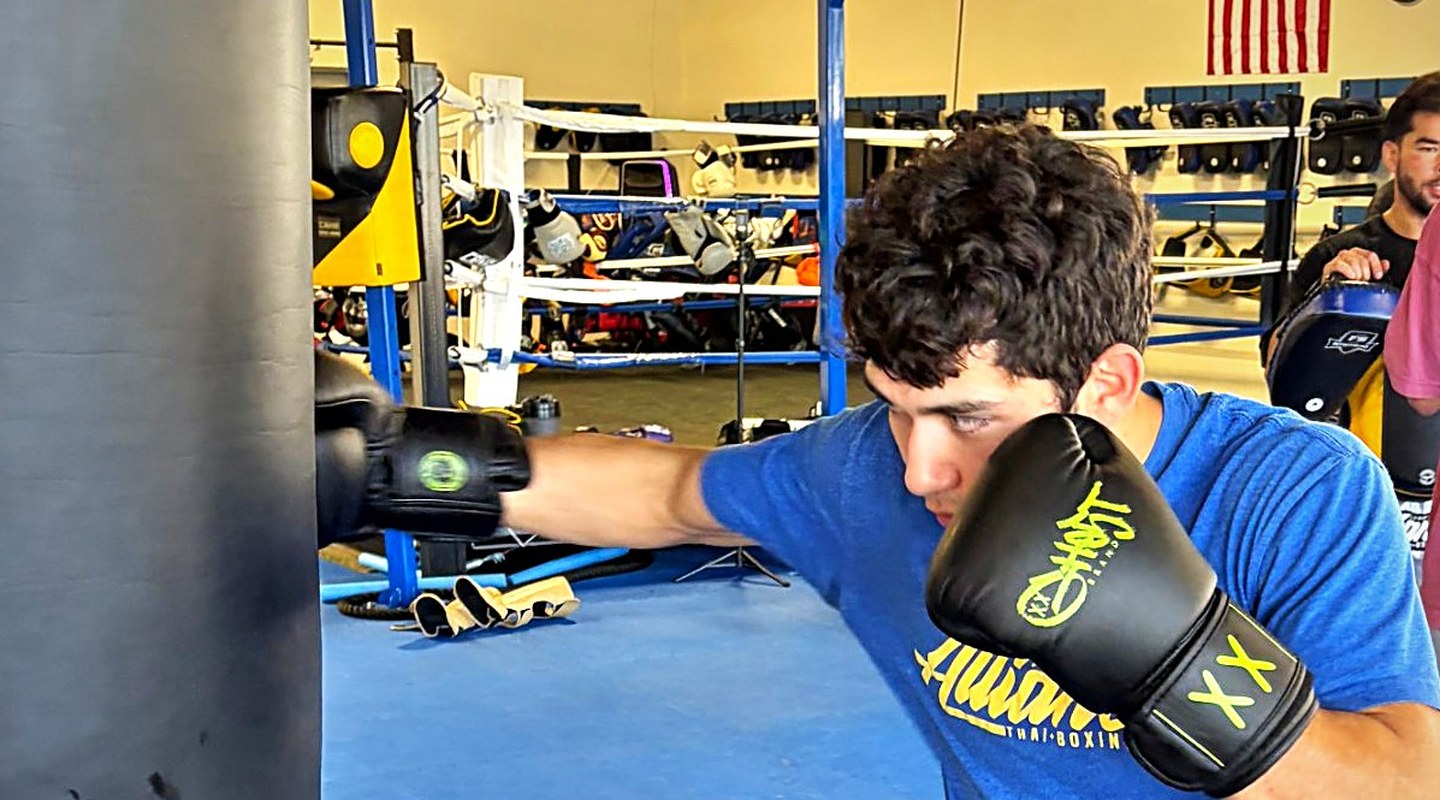
Strengths: a complete stand-up art using punches, kicks, elbows, knees, and the clinch. Trained against resisting partners with controlled contact, so kids build real skill, balance, and calm under pressure. No belt system: progress is earned by showing the skill.
Consider: quality varies by gym. Look for age-appropriate classes, coach-controlled contact, and sparring that is optional and earned, never required.
Quick Comparison
- Trains against resistance: Muay Thai and BJJ consistently; karate and taekwondo vary by school
- Progress measured by: real skill in Muay Thai; belts in karate, taekwondo, and BJJ
- Standing striking and distance: strongest in Muay Thai
- Ground skills: strongest in BJJ
- Workout intensity: high in Muay Thai and BJJ
Why We Believe Muay Thai Gives Kids the Most Real Ability
Every art above can build a great kid. But if your priority is that your child can truly handle themselves, Muay Thai delivers something special: the ability to stay calm, manage distance, and defend while someone is moving toward them. That's the difference between knowing self-defense moves and knowing how to fight, which we break down in Self-Defense vs. Knowing How to Fight.
How to Evaluate Any Martial Arts School
- Watch a class. Are kids working with moving partners, or only practicing in the air?
- Ask how students advance. Is it time-based or skill-based?
- Ask about contact and sparring rules for kids. It should be controlled, optional, and supervised.
- Notice the coaches. Do they correct, encourage, and keep kids safe?
- Read reviews from other parents.
Frequently Asked Questions
What is the best martial art for kids?
It depends on your goals. For discipline alone, many arts work. For real, pressure-tested ability standing up, we believe Muay Thai is the strongest choice. Read why Muay Thai is the best martial art for kids.
Can my child do Muay Thai and BJJ?
Absolutely. Striking and grappling complement each other well.
Try Muay Thai Free
Kids ages 8–13 can try 3 days of classes free at Alliance Thai Boxing Academy in Cedar Park, TX. See our Kids & Teens program and book your free trial.